Shining Light on Solar Panel Recycling - PART 2 : A Second Life for Solar Panels: Reuse, Repurposing, and Recycling (A Four-Part Series)
Quick answer:
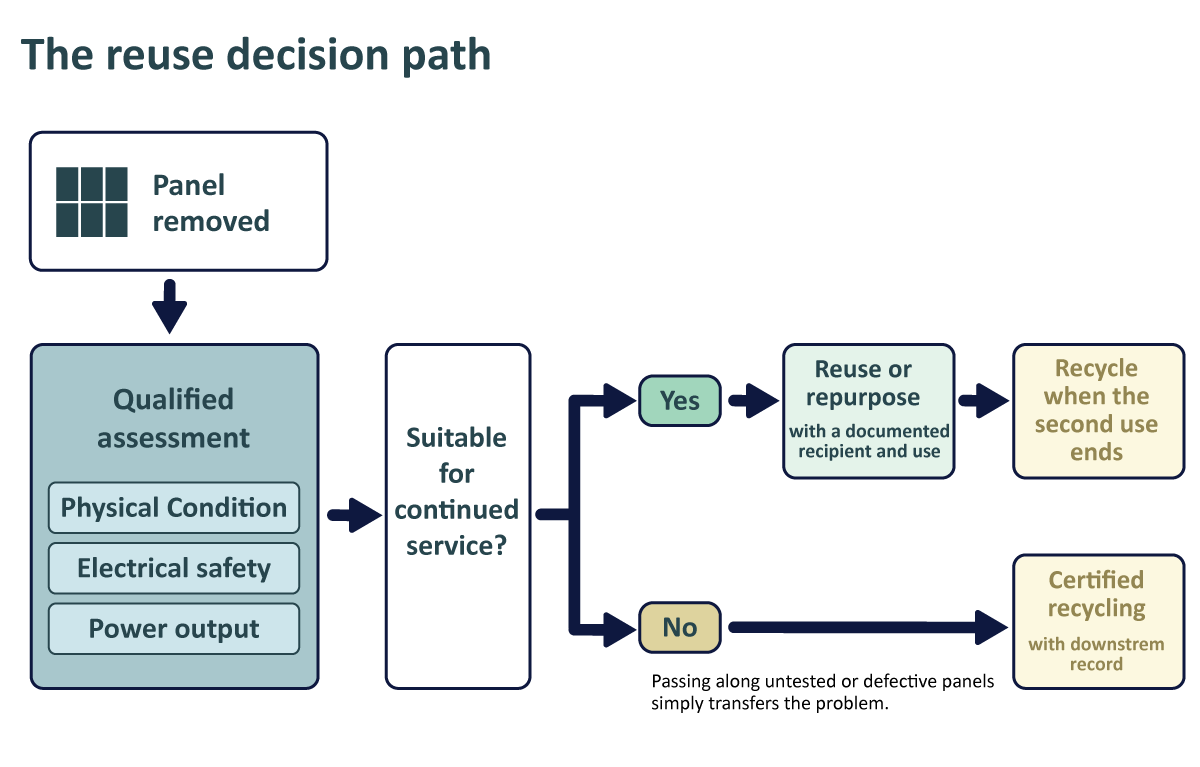
A solar panel removed from a roof is not automatically ready for recycling. Panels that pass a qualified assessment of condition, electrical safety, and output may be reused or repurposed. Panels that fail, or that reach the end of a second use, should go to a recycler that accepts the panel type and can document where materials go.
----
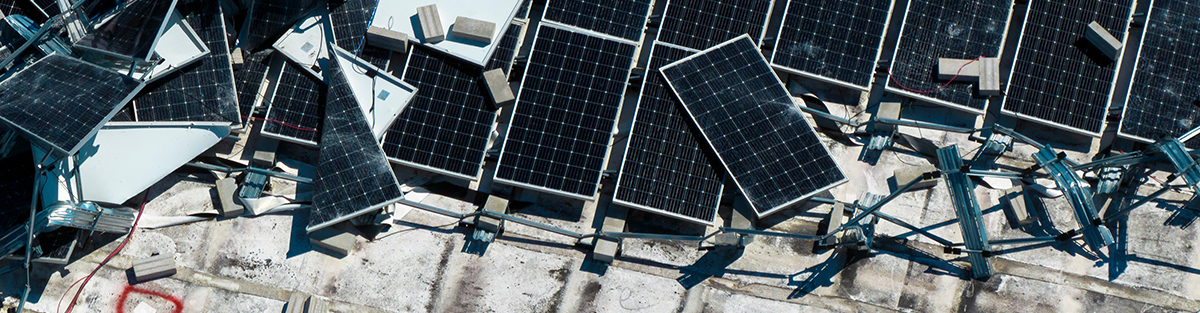
A panel removed from a rooftop is not necessarily a panel ready for recycling. It may still have productive years ahead.
The U.S. Environmental Protection Agency identifies direct reuse and refurbishment as ways to keep solar panels out of landfills. The challenge is determining which equipment is suitable, and establishing a credible destination for it.
In Part 1, we looked at why panels leave service and what to gather before they come down. Part 2 covers the three paths a retired panel can take, and how to choose between them.
Makes a Solar Panel Suitable for Reuse?
Appearance alone is not enough. A panel may look intact while having cracks, hot spots, or wiring defects that affect its safety or performance.
A qualified assessment should evaluate physical condition, electrical safety, power output, and suitability for the proposed installation. The recipient also needs equipment that meets the requirements of its intended application.
For businesses retiring panels, a documented reuse decision should answer five questions:
- Which panels were assessed, and by whom?
- What testing was performed?
- Which units are suitable for continued service?
- Who will receive them, and for what use?
- Who will manage them when that second use ends?
Extending equipment life can make sense. Passing along untested or defective panels simply transfers the problem.
Can Solar Panels Be Repurposed?
Potentially, but a different use still needs a sound plan.
Moving panels into a smaller installation or another setting requires appropriate assessment and system design. Producing some electricity does not, by itself, establish that equipment is safe or suitable.
Repurposing also does not eliminate eventual retirement. A credible plan identifies the intended application, the recipient, and who is responsible for the panels when that use ends.
When Is Recycling the Right Route?
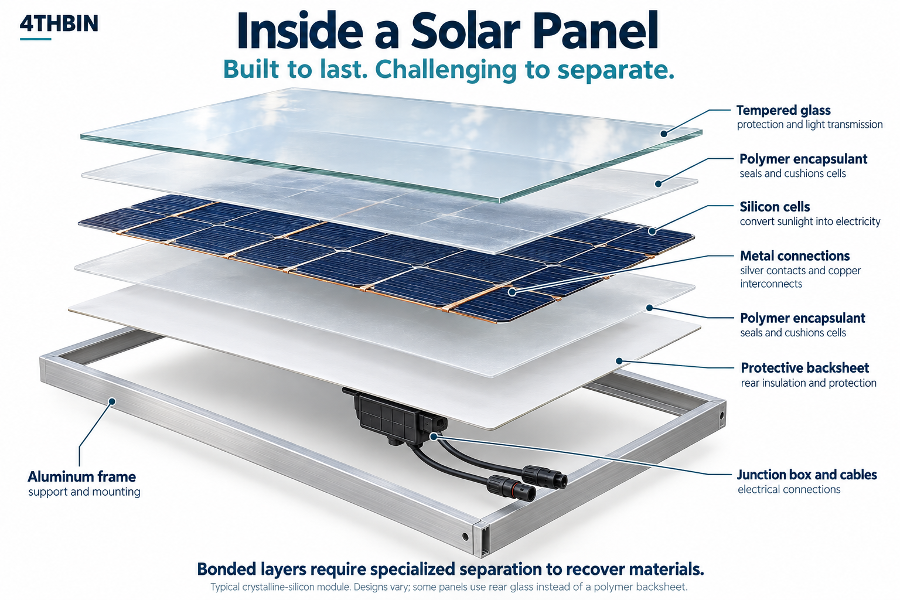
Panels contain recoverable materials, including glass, aluminum, and metals. Those materials are bonded together in structures designed to withstand decades outdoors, which makes separation challenging. Recovery methods and outcomes vary by panel technology and facility (EPA).
Some discarded panels may also qualify as hazardous waste because of metals such as lead or cadmium. Classification and handling requirements depend on the equipment and applicable federal and state rules (EPA: End-of-Life Solar Panels).
Before selecting a recycler, confirm three things:
- It accepts your specific panel type.
- You know which facility will process the panels.
- It can explain how recovered materials and residual waste are managed.
The objective is a supported decision: continued use where suitable, followed by appropriate material recovery when productive use ends.
Where Is the Value in a Recycled Solar Panel?
A panel's materials have very different recovery economics. The aluminum frame and accessible copper wiring have established scrap markets. Silver has high value per unit of weight, but panels contain small quantities, and recovering it requires specialized processing.
| Material | Recovery outlook |
| Aluminum frame | Established scrap market; relatively easy to separate. |
| Copper wiring and interconnects | Valuable scrap metal; embedded connections require processing. |
| Silver contacts | High-value material in small quantities; recovery depends on specialized processing. |
| Glass | Much of the panel's weight, but typically lower commodity value; cleanliness and available buyers matter. |
| Silicon cells | Potential value depends on recovery purity, processing costs, and the end market. |
| Polymers and backsheet | Limited commodity value; separating and managing them adds cost. |
Recoverable materials have value, but that value may not cover the cost of recycling the panel. Actual proceeds depend on material quantity, purity, recovery yield, commodity prices, and transport and processing costs. These are qualitative descriptions, not a guaranteed rebate or a pricing quote. Source: EPA.
Frequently Asked Questions
Can used solar panels be reused?
Often, yes. Panels removed for roof work, upgrades, or contract changes may still perform well. A qualified assessment of condition, electrical safety, and output determines whether continued use is appropriate.
What is the difference between reusing and repurposing a solar panel?
Reuse keeps a panel generating electricity in a similar installation. Repurposing puts it into a different, appropriately designed application. Both need an assessment, a documented recipient, and a plan for eventual retirement.
What materials can be recovered from solar panels?
Glass, aluminum, copper, silver, and silicon can be recovered. Recovery methods and outcomes vary by panel technology and recycling facility.
Are solar panels hazardous waste?
Some can be. Panels containing metals such as lead or cadmium may qualify as hazardous waste when discarded, depending on the equipment and applicable federal and state rules.
Will recycling my panels pay for itself?
Usually not. Recovered materials have value, but that value may not cover collection, transport, and processing costs. Part 3 of this series covers cost in detail.
Discuss Your Equipment with 4THBIN
Have solar panels coming out of service? 4THBIN helps organizations across New York, New Jersey, and beyond decide what comes next, from assessment and reuse options to certified recycling and secure handling of connected equipment such as inverters and monitoring gateways. [Download the Solar Retirement Checklist] or let's discuss your options.
Next in the series: What does responsible recycling cost, and how can you verify where panels go?