Your 10-Step ESG Compliance Checklist for a Seamless Audit
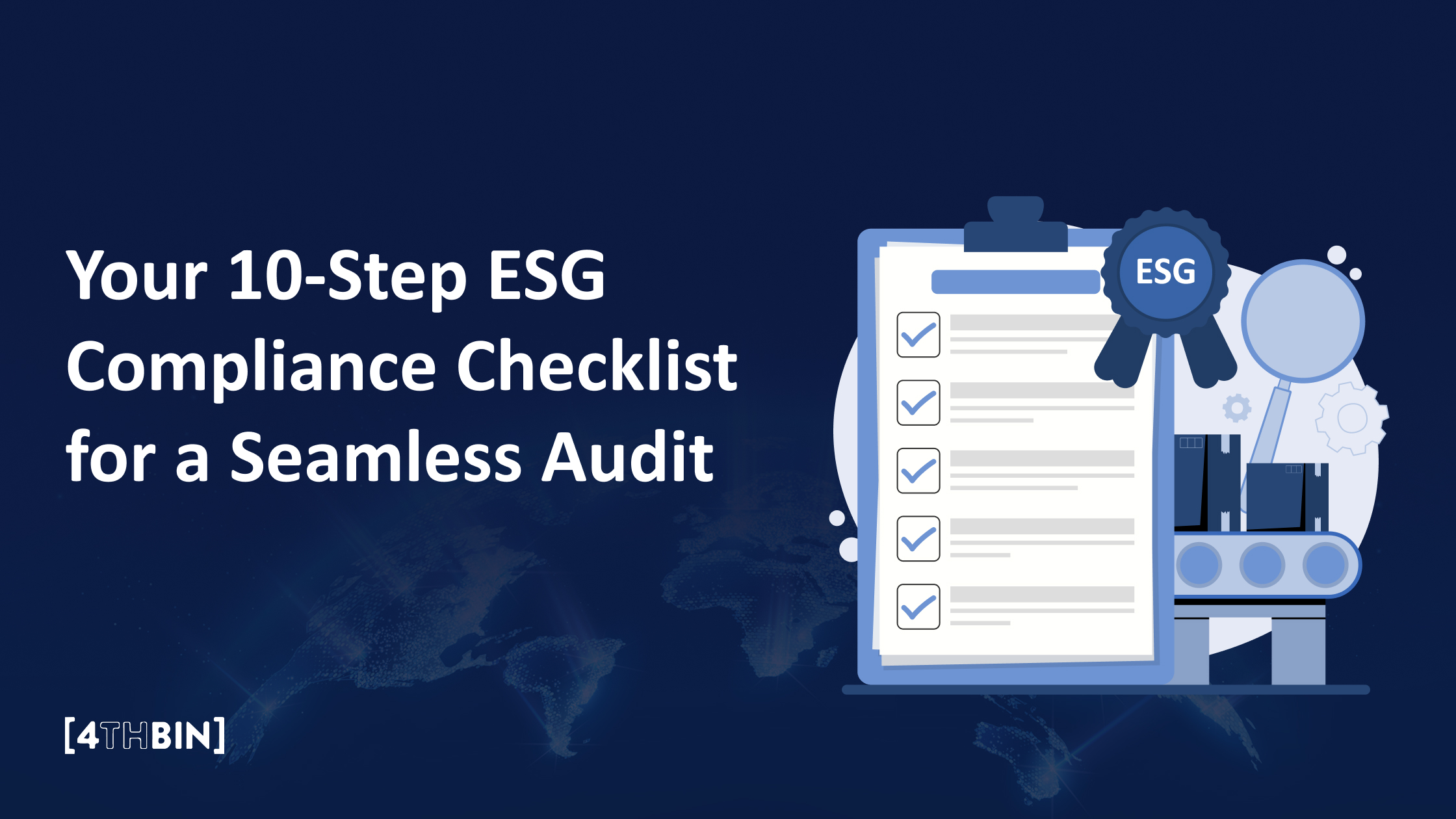
An ESG audit isn’t just a compliance formality: it’s a reality check.
Across the United States, sustainability expectations are rapidly evolving. From the SEC’s new climate disclosure rules to California’s landmark climate accountability laws (SB 253 and SB 261), companies are now expected to prove that their environmental, social, and governance practices are accurate, auditable, and aligned with long-term value creation.
Investors and customers alike are asking more challenging questions, not only about what you report, but how you validate it. The message is clear: unchecked claims no longer hold weight; verified data does.
That’s where an ESG audit comes in. It provides a structured review of how your organization’s operations align with its sustainability commitments: across emissions, ethics, labor practices, and governance.
Here’s a simple, practical 10-step ESG audit checklist to help your business strengthen accountability, discover efficiency gains, and prepare for the new era of transparent, data-driven sustainability.
Step 1: Define the Scope and Purpose
Before collecting any data, clarify the purpose and boundaries of your ESG audit. Determine whether your main objective is to comply with reporting mandates, build investor confidence, enhance operational efficiency, or prepare for upcoming disclosure requirements such as the SEC’s climate rules.
Clearly define which business units, facilities, geographies, and data categories will be included. Identify who owns the data, how it is collected, and what timeframe the audit will cover. A defined scope ensures consistency and avoids duplication or gaps later in the process.
Pro Tip: Begin with a gap analysis by comparing your existing ESG disclosures against recognized frameworks such as GRI, SASB, or TCFD. This early review highlights missing metrics, unverified data, and areas that need stronger internal controls.
Step 2: Engage Stakeholders
ESG isn’t a one-department job. Your employees, customers, investors, and supply-chain partners all influence and are affected by your sustainability performance. Engage stakeholders through interviews or surveys to understand which issues matter most to them. These insights will shape your audit’s priorities and KPIs.
Example: A technology firm might discover that employees value ethical e-waste recycling as part of digital sustainability efforts, a factor that connects environmental stewardship with responsible IT governance.
Step 3: Choose Relevant ESG Frameworks
Frameworks bring structure and comparability to ESG audits. Select standards that fit your industry, region, and reporting goals:
- GRI (Global Reporting Initiative): Broad, stakeholder-focused disclosures.
- SASB (Sustainability Accounting Standards Board): Industry-specific metrics for financial materiality.
- TCFD (Task Force on Climate-related Financial Disclosures): Climate-related risks and financial impact.
- CDP (Carbon Disclosure Project): Carbon and water management.
- ESRS (European Sustainability Reporting Standards): Mandatory under CSRD for EU-based firms.
Pro Tip: Cross-map frameworks to avoid duplication; for instance, energy-efficiency metrics can often satisfy both GRI and SASB requirements.
Step 4: Establish Clear Criteria and Metrics
Define what success looks like across the three pillars of ESG:
- Environmental: energy use, carbon footprint, waste, and circular economy participation.
- Social: employee health, diversity, human rights, community initiatives.
- Governance: ethical oversight, board structure, data privacy, and compliance.
Each metric should have clear, measurable indicators such as energy consumed per unit produced, volume of materials recycled, or percentage of IT assets responsibly processed at the end of life. This is the point where sustainability shifts from narrative to measurable performance.
Prioritize traceable and verifiable data to ensure the credibility of your audit. Metrics related to waste diversion, carbon reduction, and IT asset lifecycle management provide tangible proof of progress and strengthen investor confidence.
Many organizations now include certified e-recycling reports from trusted partners like 4THBIN as part of their ESG evidence. These verified records link resource recovery directly to emission reduction goals, offering the kind of transparency that both investors and regulators increasingly expect.
Step 5: Gather and Verify Data
Collect data from all relevant departments, operations, HR, procurement, compliance, and finance, ensuring it’s both complete and auditable. Standardize formats so results are comparable across business units. Third-party assurance adds credibility. Many organizations now seek external verification to meet upcoming SEC climate disclosure expectations.
Here, data integrity is everything. Accurate, traceable metrics, such as verified recycling volumes or carbon offset data, give auditors the proof points they need to connect sustainability commitments to measurable results.
Step 6: Conduct the ESG Audit
With your data and frameworks in place, begin the evaluation. Assess how your practices align with your criteria, from emissions management and supplier ethics to diversity programs and governance oversight.
Auditors typically combine quantitative assessments (emissions, waste, turnover) with qualitative reviews (policy documentation, leadership interviews).
Pro Tip: Involve department leads early to ensure the audit reflects operational realities. A collaborative audit builds internal buy-in and lasting change.
Step 7: Analyze the Findings and Identify Gaps
Once data is collected, translate it into insight. Identify what’s working (e.g., renewable energy use, safety compliance) and what needs improvement (e.g., waste reduction, supplier diversity).
Categorize gaps into three areas:
- Compliance gaps: Required by law but missing.
- Operational gaps: Inefficiencies or inconsistent data.
- Strategic gaps: Opportunities for innovation or leadership.
The most successful audits balance transparency about shortfalls with recognition of achievements, establishing a culture of continuous improvement.
Step 8: Integrate ESG Into Risk Management
ESG findings should directly inform your organization’s risk management strategy. Link climate, social, and governance risks, such as emissions, cybersecurity threats, supply chain ethics, and workforce safety, to your operational controls and business continuity plans. This integration ensures that sustainability becomes part of how your company anticipates and mitigates potential disruptions.
A common blind spot lies in IT hardware disposal and data security, which carries both environmental and governance risks. Partnering with certified e-recycling providers helps reduce your ecological footprint while protecting sensitive data, creating measurable value across multiple ESG pillars.
Through its data-secure IT asset disposition process, 4THBIN helps U.S. companies minimize regulatory and reputational risks while improving verified environmental performance. This dual approach strengthens both sustainability outcomes and corporate resilience.
Step 9: Implement Corrective Actions and Monitor Progress
An audit’s value lies in what happens next. Turn insights into a clear, actionable roadmap. Assign responsibility for each task, allocate budgets, set milestones, and define how progress will be measured and reported.
Create dashboards that track performance across key ESG areas such as emissions, waste reduction, diversity, and governance. These tools help leadership identify patterns, measure improvements, and maintain accountability throughout the year.
Schedule quarterly sustainability reviews to ensure progress stays visible and ESG remains integrated into day-to-day decisions. Keep detailed records of every update, policy change, or process improvement to make your next audit smoother and more efficient.
Companies that already track verified recycling and circularity metrics can strengthen these dashboards further. For example, organizations working with 4THBIN can integrate certified e-recycling data directly into their ESG reports, making their sustainability progress both traceable and independently validated.
Step 10: Communicate Results Transparently
Your ESG audit should end with a story that is built on evidence, not aspiration. Present your results clearly and confidently through sustainability reports, corporate websites, investor presentations, or internal updates. Visuals such as charts, infographics, and progress trackers make complex data easier for stakeholders to understand and trust.
Be transparent about both achievements and ongoing challenges. Stakeholders appreciate honesty and continuous improvement more than polished perfection.
To enhance credibility, include verifiable data wherever possible. For example, using certified impact metrics such as emissions avoided through 4THBIN’s responsible e-recycling provides tangible proof of progress and strengthens confidence among investors, regulators, and customers alike.
Strengthen Your ESG Impact with 4THBIN
An ESG audit doesn’t end with numbers; it begins with meaningful action. Turning insights into measurable progress requires reliable partners who help you move from compliance to impact.
At 4THBIN, we help companies connect reporting with real-world results. Through certified e-recycling, secure data destruction, and verified carbon-impact reporting, we ensure that every sustainability claim is backed by tangible, defensible proof.
Our process protects your data, reduces environmental risk, and supports a truly circular economy, where technology, transparency, and responsibility work together to create long-term value.