
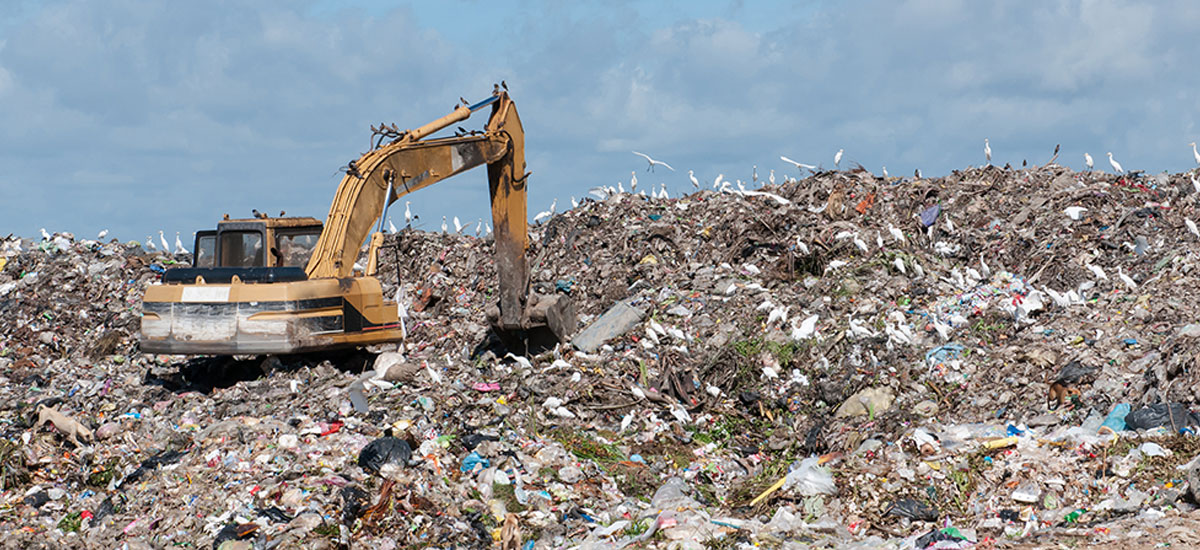
Is E-Waste Making Our Landfills Even More Toxic?
Even as we become more environmentally conscious and more people make a point of recycling their paper and plastic waste…a new pollution threat appears to be emerging. With electronic devices becoming more disposable—either wearing out or becoming outdated in a few years’ time—people are simply throwing their phones in the trash, leaving old TVs by the curb and so on. It may seem harmless enough, but it’s not. Experts now suggest e-waste, as it’s called, could be making our landfills even more toxic than before.
What makes e-waste so dangerous?
From TVs and clock radios to laptops and cellphones, nearly all electronic products contain toxic chemicals and metals like mercury, cadmium and lead. These elements are harmless inside your device, but when you dispose of it improperly, that device eventually makes its way to your local or regional landfill. Over time, these harmful elements make their way into the soil, and eventually into the groundwater, making it unsafe for humans, plants and animals. If most people realized the mercury in their cell phone could eventually wind up back in their water glass, they might think differently about how they throw these products away.
A Look at the Numbers
As more companies are “going green” and replacing their paper documents with digital ones, we’re disposing of less waste overall, which is good news—but it doesn’t tell the whole story. According to DoSomething.org, electronic waste only accounts for 2 percent of the waste in our landfills, but it also accounts for 70 percent of our overall toxic waste. In the U.S. alone, the amount of e-waste we create amounts to 44 pounds per person, per year! Globally, humans now dispose of 20 to 50 million metric tons of e-waste every year—all of it potentially toxic to the environment. And of this waste, only 15-20 percent of it is being recycled.
In other words, while we’re reducing our paper and plastic waste, we’re actually increasing our toxic waste through our disposable devices. By these numbers, the nuclear power plant in the next county isn’t nearly as much of a threat to the environment as that old iPhone you and 10,000 of your neighbors just threw in the trash.
What Is Being Done
Thanks to increased awareness of the dangers of e-waste, many state and local governments are taking steps to manage the problem. Pennsylvania, New York and other states have laws banning the general disposal of electronic devices. In Philadelphia, if you leave your TV by the curb, it stays by the curb—the trash collectors are forbidden to take it. While Massachusetts and Boston don’t have specific laws addressing e-waste, they do ban the disposal of “ferrous and non-ferrous metals” which are common in most electronics. Unfortunately, these laws are still difficult to enforce when it’s so easy for a small phone or tablet to be tossed undetected into a trash receptacle. As of yet, most cities do not have standardized e-cycling programs to deter businesses or individuals from keeping their devices out of the landfills.
What Your Business Can Do
The good news is that despite the lack of centralized e-waste control, there are a number of ways businesses can take responsibility for making sure their old electronics get recycled, repurposed and reused rather than adding to the toxic waste in their nearby landfills. 4THBIN works with companies strategically to create an IT product management cycle, making e-cycling a standard part of their electronics life cycle with zero negative impact on the environment.
Give us a call at 855-329-2531 to learn more!