How E-Waste Impacts the Environment and Human Health

Did you know 62 million tons of e-waste were produced in 2022? That’s not all; this number will rise to 32%, 82 million tons by 2030.
This is no surprise, as electronic devices are updated or replaced faster than ever, leading to a significant increase in e-waste. Annually, between 60% and 90% of global electronic waste is illegally traded or dumped, triggering significant environmental and health hazards. Every tossed smartphone, laptop, or monitor contributes significantly to a growing worldwide issue.
In this blog, we will explore the significant impact of e-waste on the environment and human health. We will also emphasize how your organization can contribute to sustainable e-waste management.
The Impact of E-Waste on the Environment
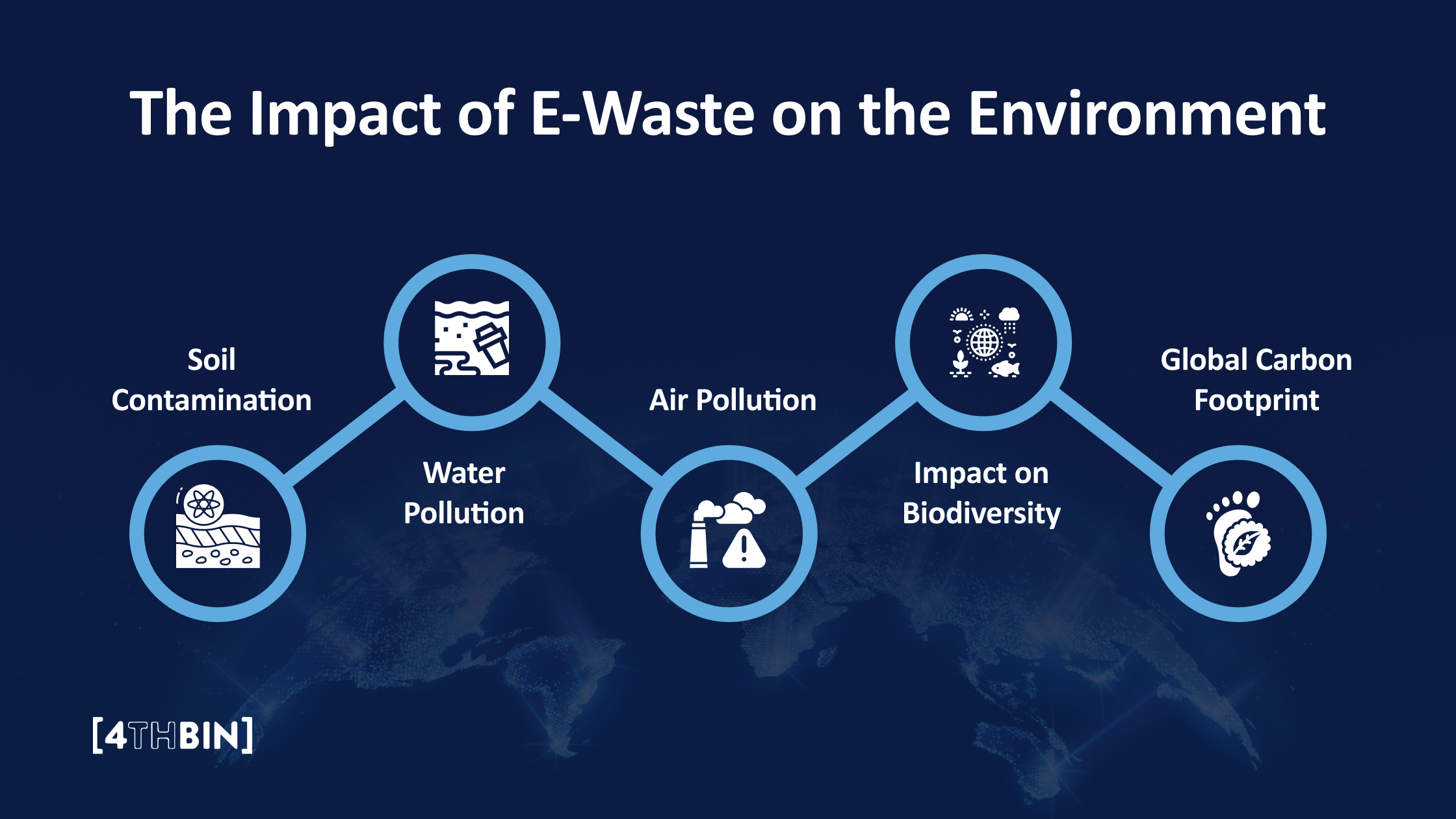
The environmental degradation caused by e-waste is extensive, affecting global air, soil, and water quality. Here are the major environmental concerns associated with electronic waste:
Soil Contamination
When e-waste is not properly managed or disposed of, it often ends up in landfills, where toxic substances such as lead, mercury, and cadmium can leach into the soil. This contamination degrades soil quality, making it less fertile, and poses severe risks to food safety and public health.
A study investigated the quality of farmland around e-waste disposal sites. Eleven types of vegetables were collected from vegetable fields. People consumed the vegetables, and the soil was tested. Results indicated that both adults and children were suffering potential health risks. The bioaccumulation factors (BAFs) of heavy metals in various vegetables were calculated, and the vegetables showed large variability in metal accumulation.
The above study demonstrates how soil contamination by these metals affects not just direct consumers but the entire food chain. Plants absorb these metals from the soil, and herbivores then ingest them. Predators that eat contaminated herbivores also accumulate these toxins, often in even higher concentrations, a process known as biomagnification. This impacts human health and can lead to declines in animal populations and significant changes within the ecosystem.
Water Pollution
E-waste also poses a direct threat to water bodies. Chemicals from e-waste can seep into groundwater and surface waters, contaminating drinking water sources and aquatic ecosystems. Improper e-waste management allows harmful chemicals to seep into groundwater and nearby bodies of water.
This contamination involves heavy metals like arsenic, chromium, and lead and flame retardants such as polybrominated diphenyl ethers (PBDEs). These substances are particularly detrimental and have severe implications for aquatic life. They can disrupt entire marine food webs, leading to declines in fish populations and affecting those who rely on these fish for food.
Air Pollution
The burning of e-waste, often practiced to recover valuable metals like copper and gold, releases toxic substances into the atmosphere, including dioxins, furans, and particulate matter. This not only deteriorates air quality but also poses significant health risks to nearby populations, contributing to respiratory problems and other health issues.
Many electronic waste materials contain greenhouse gases, and when incinerated, they emit significant amounts of carbon dioxide and other greenhouse gases. This contributes directly to global warming, further destabilizing the climate and leading to more frequent and severe weather events.
Moreover, the toxic substances released into the environment can harm local flora and fauna, decreasing biodiversity. Animals exposed to these toxins can suffer from reproductive failures and acute poisoning, which can ripple through the food chain and alter ecosystem dynamics.
Impact on Biodiversity
E-waste can dramatically alter habitats and the balance of ecosystems. Toxic substances released into the environment can harm local flora and fauna, thereby decreasing biodiversity. Animals exposed to these toxins can suffer from reproductive failures and acute poisoning, which can cascade through the food chain and alter ecosystem dynamics. Long-term exposure to e-waste can diminish biodiversity around dumping grounds, as the habitat becomes hostile to terrestrial and aquatic life.
Global Carbon Footprint
The lifecycle of electronic products, not just their disposal, contributes to carbon emissions. However, improper e-waste management exacerbates these impacts because toxic materials are not reclaimed and recycled but are instead dumped or burned. Proper e-waste recycling significantly reduces the carbon footprint by recovering valuable materials and reducing the need for new mining and manufacturing.
The Impact of E-Waste on Human Health
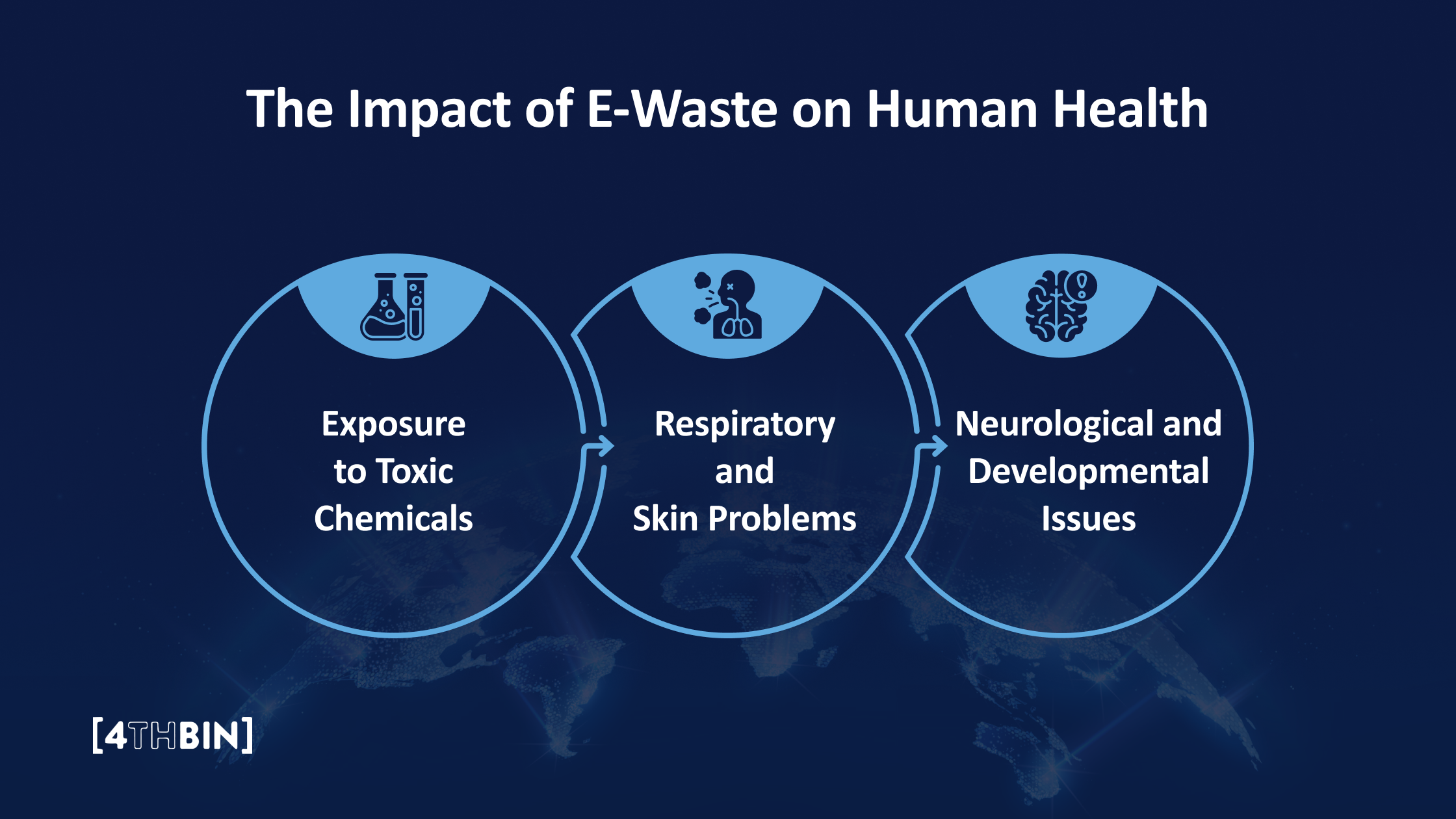
The improper handling and disposal of e-waste pose numerous health risks to humans, particularly those directly involved in the informal recycling sectors and those living near e-waste disposal sites. Here’s a closer look at the specific health concerns:
Exposure to Toxic Chemicals
E-waste contains many hazardous materials, including mercury, lead, cadmium, and various flame retardants, that can be harmful when humans are exposed to them directly. Workers and people living near such sites risk exposure to over 1,000 harmful substances and come into direct contact with these toxic chemicals. These substances can be absorbed through the skin or inhaled, leading to acute poisoning. With prolonged exposure, these interactions can evolve into chronic health conditions; let us take a detailed look at it:
-
Lead
Lead exposure is particularly detrimental to human health. It can cause developmental delays, reduced IQ, and behavioral problems in children. Adults exposed to lead may experience hypertension, kidney damage, and reproductive disorders. The pervasive nature of lead means that its effects can ripple through ecosystems, impacting not just humans but also wildlife, where it can cause neurological and reproductive issues that decrease population levels.
-
Mercury
Mercury is a potent neurotoxin that compromises the health of both humans and wildlife. In humans, exposure to mercury during critical developmental periods can impair neurological development, resulting in long-term cognitive and motor dysfunctions.
Adults exposed to mercury report a range of central nervous system symptoms, including memory loss and mood swings. In wildlife, mercury’s toxicity is magnified as it transforms into methylmercury in aquatic environments. It accumulates in fish and moves up the food chain to affect larger predators, disrupting ecosystems and reproductive cycles.
-
Cadmium
Cadmium exposure in humans is linked to severe health issues, including kidney damage, bone demineralization, and respiratory problems if inhaled. Recognized as a probable carcinogen, cadmium is associated with an increased risk of lung cancer and may contribute to other cancers. Its impact extends to wildlife, where it can cause liver and kidney damage and lead to skeletal problems, affecting animal populations and ecological health.
Respiratory and Skin Problems
Burning e-waste, often employed to extract valuable metals, releases toxic fumes and particulates into the air. For residents in nearby areas, these airborne toxins can cause significant respiratory issues such as asthma, bronchitis, and lung inflammation. Skin contact with chemical-laden dust and residues can also lead to dermatitis, rashes, and other severe skin conditions, common among workers who lack adequate protective gear when handling e-waste.
Neurological and Developmental Issues
Heavy metals like lead and mercury, prevalent in e-waste, pose severe risks to neurological health. Children, in particular, are vulnerable to these toxins, which can hinder neurological development and cause cognitive impairments. For adults, prolonged exposure can lead to memory loss, tremors, decreased cognitive function, and mood disorders. It can increase the risk of developing neurodegenerative disorders such as Alzheimer’s and Parkinson’s later in life.
Understanding these impacts makes it clear why managing electronic waste responsibly is crucial for protecting our planet. Now, let us explore how your business can help reduce and responsibly recycle e-waste.
How Can Organizations Make a Difference in E-Waste Management?
As businesses rapidly upgrade technology, the responsibility to manage e-waste sustainably has never been more critical. Here are several practical ways organizations can make a real impact in reducing e-waste and promoting environmental stewardship:
Establish a Corporate E-Waste Policy
Develop a comprehensive e-waste management policy outlining procedures for proper disposal of electronic waste. This policy should encourage practices such as recycling and the safe disposal of electronics, and set clear guidelines for all employees.
Partner with Certified Recyclers
Collaborate with recycling companies, such as 4THBIN, who are certified in responsible e-waste management. These certifications ensure that the recycler adheres to strict environmental standards and safety regulations, helping businesses contribute positively to reducing e-waste.
Reduce, Reuse, Recycle
Adopt the mantra of “reduce, reuse, recycle” within the workplace. Encourage minimizing electronic waste by maximizing device lifespan through proper maintenance and upgrades. Where reuse is not possible, ensure devices are recycled to recover materials that can be used in new products.
Monitor and Report
Track the amount of e-waste your organization produces and report on recycling results. Monitoring these metrics helps measure the effectiveness of your e-waste policies and promotes transparency and accountability in corporate sustainability practices.
By taking these steps, organizations can play a crucial role in mitigating the environmental impact of e-waste and help pave the way towards a more sustainable and responsible tech industry.
Recycle Right, Recycle Smart with 4THBIN!
Is your organization struggling to recycle its electronic waste? 4THBIN to the rescue! With over a decade of experience, 4THBIN is a certified and secure e-recycling solution provider to over 10,000 businesses – from Fortune 100 companies to start-ups across the United States.
We’re not just experts in e-recycling; we're pioneers in complying with stringent environmental regulations to mitigate the adverse effects of e-waste on human health and the environment.
We believe that no data should be left behind! Backed by our data security expertise, we provide certified data destruction support to today’s top industries. We also help your business deliver on its corporate social responsibility commitments by ensuring its e-waste is securely and sustainably recycled.
Ensure Responsible E-Waste Recycling and Disposal Today!
Contact Us
Frequently Asked Questions
1. What is e-waste and why is it a problem?
E-waste refers to discarded electronic devices such as smartphones, computers, televisions, and other electrical appliances. The problem arises because these devices contain hazardous materials like lead, mercury, and cadmium, which can pollute the environment if not disposed of properly. Additionally, e-waste contains valuable metals such as gold and silver, which are often lost through improper disposal, making it both an environmental and economic issue.
2. How does e-waste impact the environment?
Improperly disposed of e-waste can severely harm the environment. Chemicals from e-waste can leach into the soil, contaminating it and reducing its fertility. In water sources, toxic metals like arsenic and mercury can seep into the ecosystem, harming aquatic life. Furthermore, the burning of e-waste releases hazardous fumes, contributing to air pollution and climate change.
3. How does e-waste affect human health?
Exposure to e-waste can lead to serious health risks, particularly for those working in informal recycling sectors. Harmful substances like lead, mercury, and cadmium can cause neurological damage, developmental delays in children, and respiratory problems in adults. Long-term exposure can also increase the risk of cancer and kidney damage. The chemicals can be absorbed through the skin, inhaled, or ingested.
4. How can businesses help reduce the impact of e-waste?
Businesses can play a crucial role in reducing e-waste by implementing sustainable e-waste management practices. This includes adopting policies for proper recycling, partnering with certified recyclers, and extending device life through regular maintenance and upgrades. Educating employees about responsible disposal and recycling can also help reduce e-waste in the workplace.
5. What should I do with old electronics in my company?
Old electronics should not be thrown away. They should either be recycled through certified e-waste recycling programs or refurbished if still functional. Many manufacturers and retailers offer take-back programs to ensure proper disposal. Businesses can also partner with certified recycling companies like 4THBIN to ensure that electronics are responsibly recycled, with a focus on data security and environmental impact.