Is Sustainable Consumerism Real or Just a Myth?
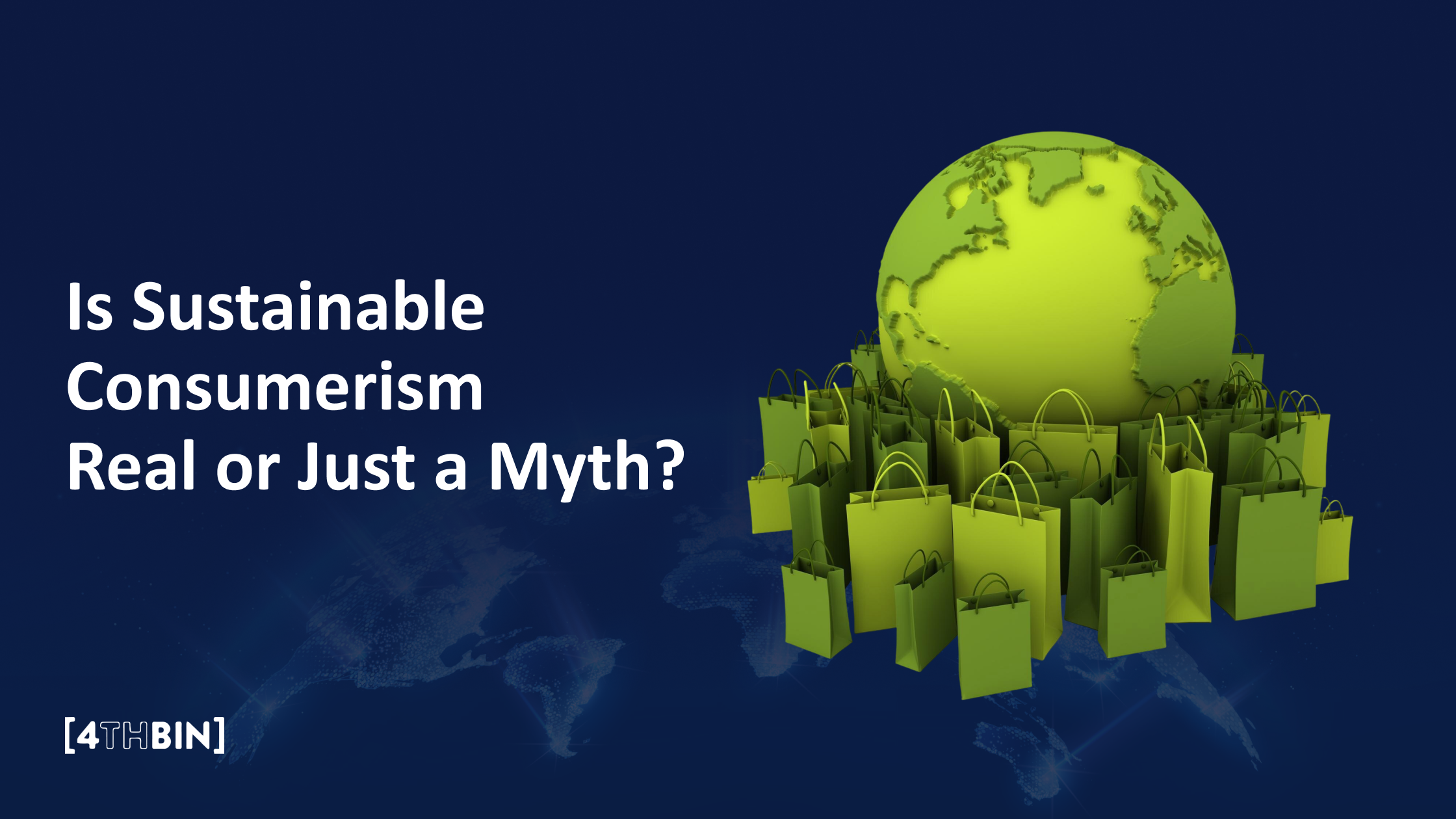
Walk through any store today and you’ll notice the same pattern. From coffee beans to clothing, the word “sustainable” is stamped across shelves, promising consumers a better choice for the planet. It’s not just marketing hype.
Products labeled as “sustainable” are growing nearly three times faster than others, and research shows that 78% of shoppers say sustainability influences their decisions.
It sounds like a revolution in how we consume. Yet behind the glossy packaging and green labels, a question lingers. Are we truly moving toward eco-conscious living, or is sustainable consumerism becoming a polished form of “eco-vanity”?
In this blog, we’ll explore whether sustainable consumerism delivers on its promises, where it falls short, and why responsible practices, such as e-waste recycling, are critical to making it a reality.
The Rise of Sustainable Consumerism
Over the past decade, the concept of sustainability has shifted from a niche concern to a mainstream demand. Shoppers are no longer satisfied with low prices and convenience alone. They want products that reflect their values, items made from recycled materials, packaged responsibly, and produced under fair labor conditions. From low-carbon fashion lines to fair trade coffee, brands across industries are racing to meet this growing expectation.
This shift in consumer awareness is important. It signals that people are paying closer attention to the social and environmental impact of their choices. Companies are responding by introducing eco-labels, investing in greener supply chains, and even rethinking how they design and market their products.
But here’s the dilemma: Is buying green really enough? If we focus solely on the purchase without considering the entire lifecycle of the product, including how it’s used and, more importantly, how it’s disposed of, we risk mistaking branding for genuine progress.
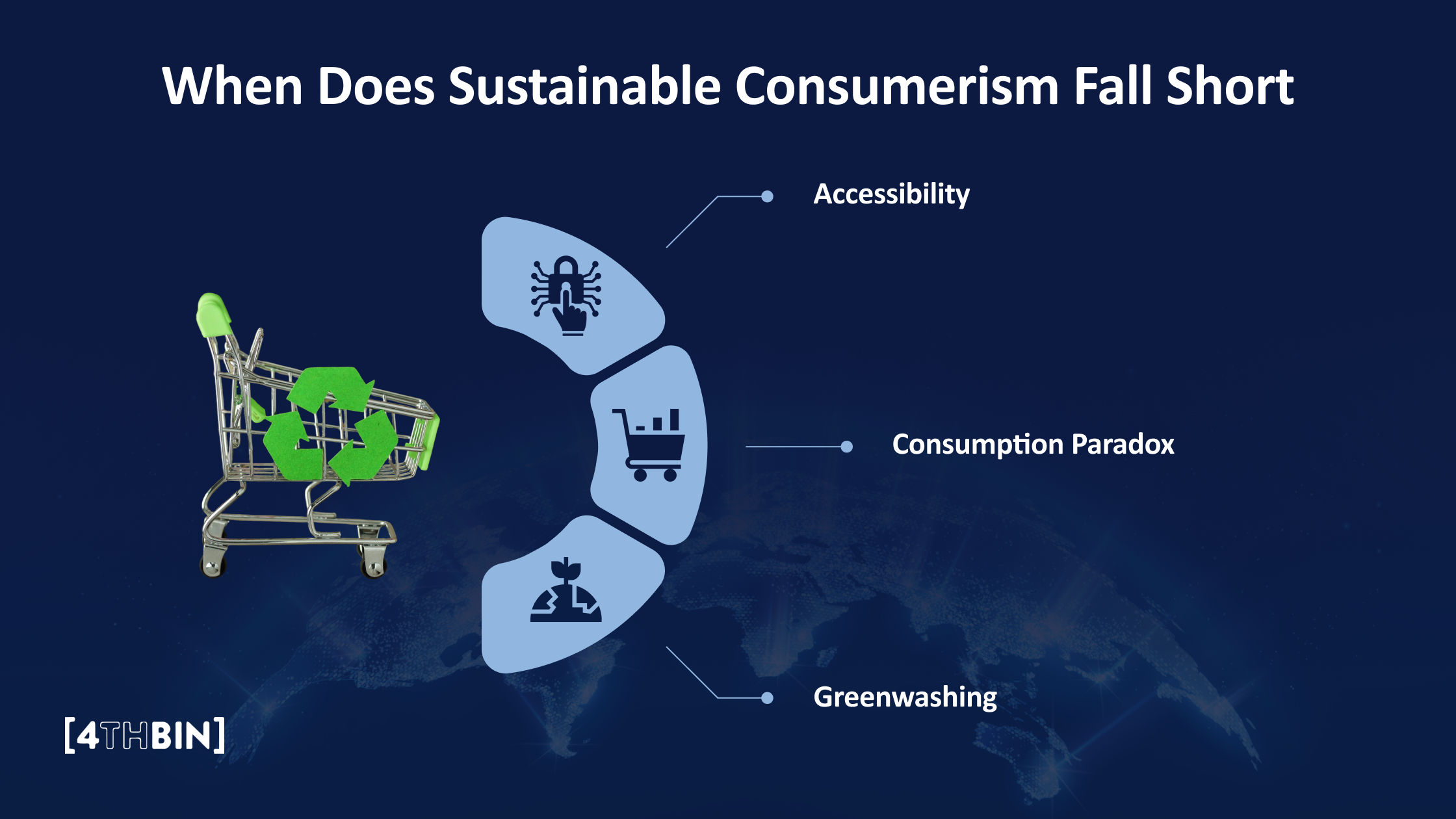
When Does Sustainable Consumerism Fall Short
While the rise of sustainable consumerism suggests progress, the reality is far more complicated. Many so-called green products fail to meet their promises, and the gap between perception and actual impact is often substantial.
Greenwashing
Greenwashing is one of the most significant risks. Companies may spend more effort marketing their sustainability initiatives than actually investing in them. A recycled-looking package or vague claim about being “eco-friendly” can give shoppers a false sense of doing good, while little changes behind the scenes.
Accessibility
Sustainable products often come with a higher price tag. While surveys indicate that many people want to shop responsibly, the reality is that premium costs make these products unaffordable for a large portion of consumers. This limits the movement to those who can afford it, leaving the actual impact uneven.
Consumption Paradox
Buying more eco-labeled products doesn’t necessarily mean we are consuming less. In fact, it can reinforce the same cycle of overproduction and waste. A closet full of “sustainable” fashion is still a form of overconsumption.
Electronics are a clear example of this paradox. New devices are often promoted as being more energy efficient or manufactured with recycled materials, but constant upgrades drive a massive pileup of discarded gadgets. Without responsible recycling, these so-called sustainable purchases only contribute to the mounting global challenge of e-waste.
Why Disposal Defines True Sustainability
When people think of sustainability, they often focus on the beginning of a product’s life cycle, including how it’s sourced, manufactured, and packaged. But true sustainability extends beyond the point of purchase. What happens when that product is no longer helpful?
This question is especially urgent when it comes to electronics. Phones, laptops, and tablets are replaced every few years, yet many of these devices end up in drawers, landfills, or shipped overseas without proper handling. The result is a growing mountain of toxic materials, lost resources, and missed opportunities to reuse valuable components.
Disposal is often an overlooked aspect of consumerism. Choosing a product marketed as sustainable matters, but unless its end-of-life is managed responsibly, its environmental footprint remains significant.
That’s where responsible e-waste recycling becomes critical. By ensuring electronics are collected, dismantled, and processed through certified recycling channels, consumers and businesses can turn good intentions into tangible impact.
Where Consumer Power Meets Responsibility
Sustainability does not end at the checkout counter. The choices consumers make after using a product are just as important as the choices made before buying it. Real progress comes when individuals recognize their role in extending the life of what they own and ensuring it does not become waste.
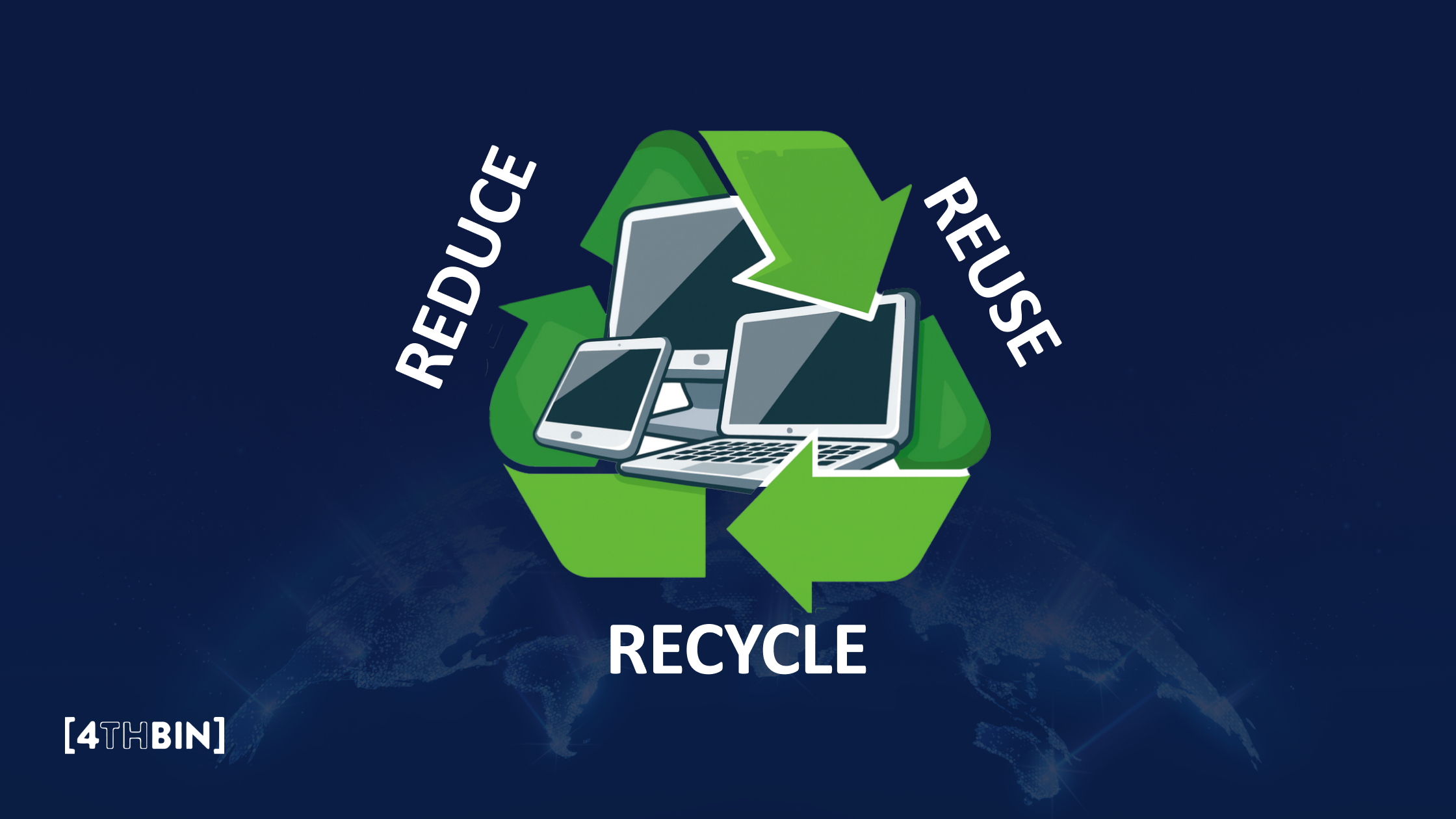
That responsibility can take many forms:
- Reducing unnecessary purchases and resisting constant upgrades.
- Reusing items by repairing or repurposing them instead of discarding them.
- Recycling products responsibly through certified channels when they reach the end of their life.
Electronics are a clear test of this responsibility. A phone or laptop that is resold, donated, or properly recycled avoids ending up in a landfill and instead reenters the economy as parts and materials. This not only conserves resources but also reduces environmental harm.
For consumers and businesses alike, partnering with certified recyclers ensures that e-waste is managed responsibly and securely. It transforms sustainability from a marketing claim into a measurable action.
Signs of Change Beyond Buying Green
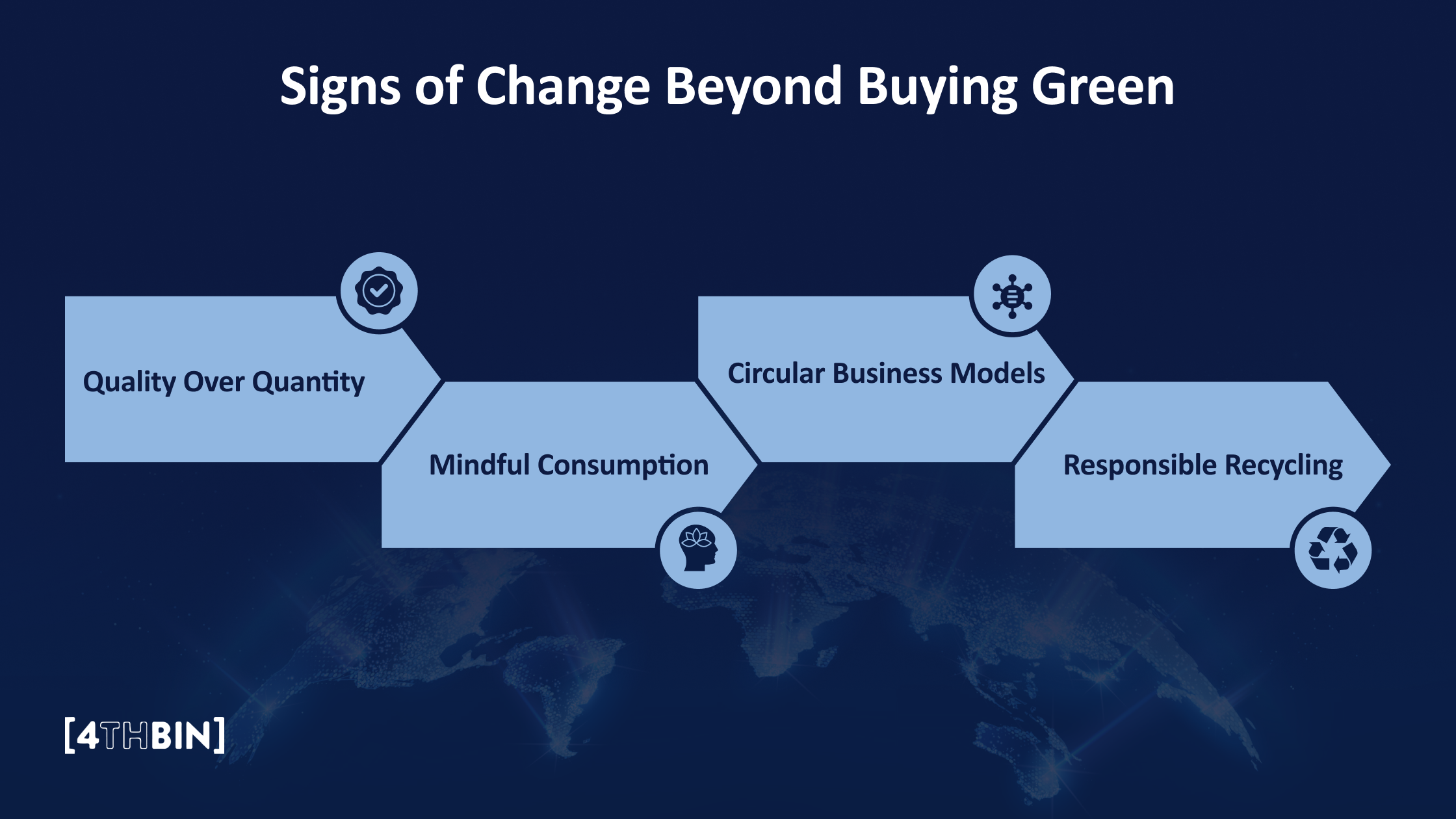
Sustainable consumerism is shifting beyond surface-level claims. These emerging practices show how both consumers and businesses are shifting toward more responsible habits:
Quality Over Quantity
Instead of chasing every new release, more people are investing in products that are built to last. In fashion, movements like the “Rule of 5” encourage consumers to limit purchases to a handful of well-made items each year. In technology, the same mindset is taking hold as users repair devices or extend their lifespans rather than upgrading at the first sign of a new model. This focus on durability reduces unnecessary waste while making purchases more meaningful.
Mindful Consumption
Social media has amplified the call to rethink consumption through trends like #deinfluencing. The message is simple: not every purchase is necessary, and restraint can be more impactful than buying the latest eco-labeled product. By pausing to ask, “Do I really need this?” consumers are cutting down on impulse-driven purchases, reducing waste, and challenging the culture of overconsumption.
Circular Business Models
Companies are beginning to design systems that keep products in use longer. Repair services, resale programs, and rentals are gaining traction as viable alternatives to the traditional buy-and-dispose model. These approaches provide consumers with affordable options, create new business opportunities, and reduce the demand for virgin resources. By keeping products in circulation, businesses help close the loop on waste.
Responsible Recycling
Electronics highlight the gap between intent and action. Even devices marketed as sustainable can cause harm if discarded improperly. Certified recycling partners, such as 4THBIN, ensure that electronics are handled securely, valuable materials are recovered, and toxic components are kept out of landfills. This kind of end-of-life responsibility transforms sustainability from a label into a measurable outcome.
Together, these shifts point to a future where sustainable consumerism is less about appearance and more about long-term responsibility. Change happens when purchases are matched with conscious use, reuse, and responsible disposal.
Lead the Future of E-Waste Recycling with 4THBIN
Sustainability is not just about what we buy, but also about what we do when our products reach the end of their life. Electronics in particular carry hidden costs, sensitive data that must be protected, valuable materials that can be recovered, and harmful components that should never end up in a landfill.
At 4THBIN, we help individuals and organizations close this loop. For more than a decade, we’ve partnered with over 10,000 clients, from Fortune 100 companies to local businesses, to ensure electronics are retired securely, compliantly, and with full environmental responsibility. Our R2v3-certified recycling solutions guarantee that devices are handled with the highest standards of security and sustainability.
Our certified data destruction services eliminate the risk of data recovery from decommissioned hardware, ensuring your business remains protected against breaches and regulatory penalties. From secure RemoteReturn mail-in options to convenient on-site collection, our customizable solutions allow you to choose the plan that best suits your organization’s needs.
Turn sustainable consumerism from a promise into practice.
Contact Us